
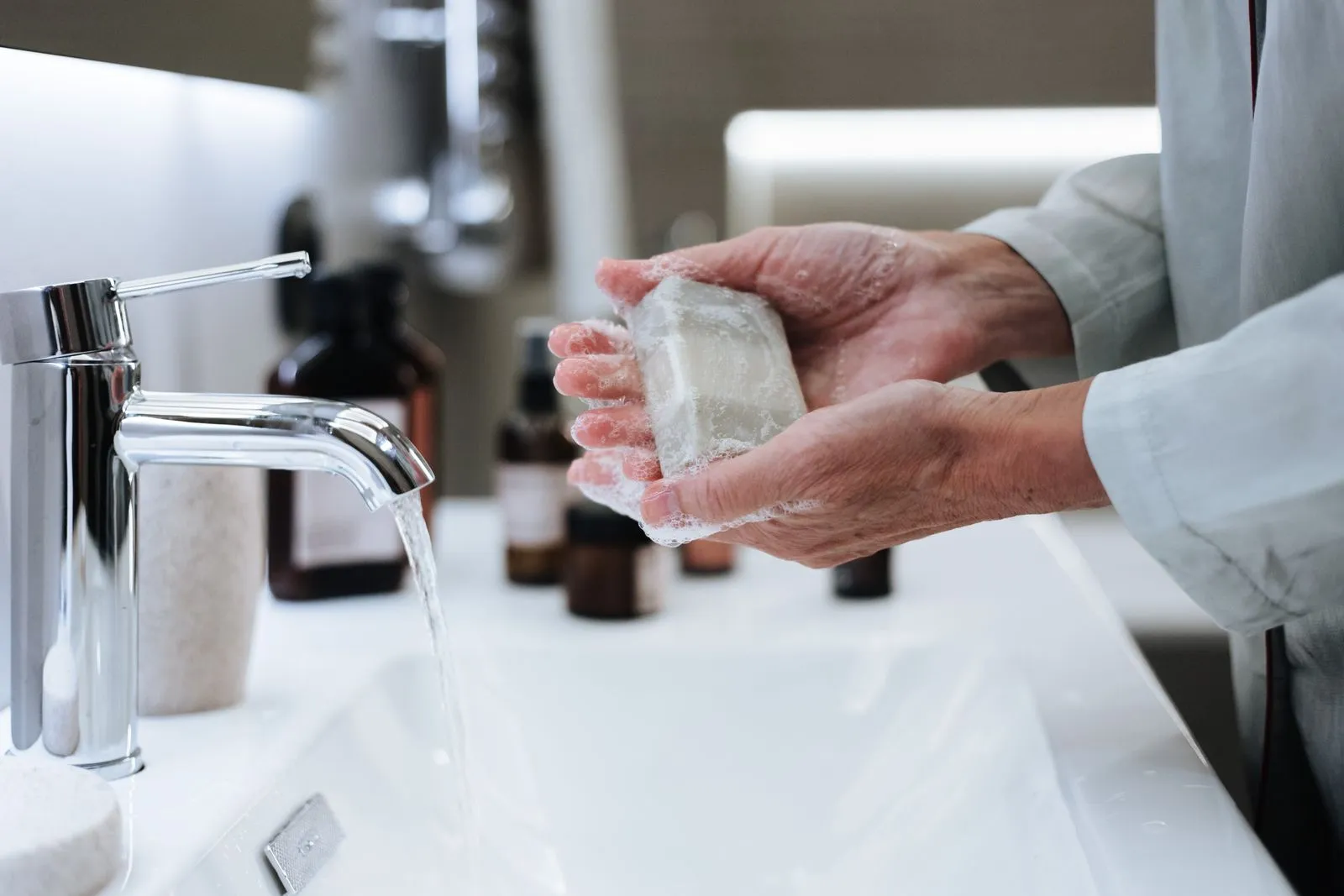
Botanicals give herbal soap much of its character. Leaves, flowers, roots, and plant-derived oils can add fragrance, create natural-looking color, or change how a bar feels in use. Their effects depend on the ingredient, how it is prepared, and the soap formula. A botanical label does not mean a bar will treat a skin condition or deliver a medical result. Understanding what these ingredients can—and cannot—do makes it easier to choose soap that suits your preferences.
How Botanicals Add Scent
Some plant ingredients contribute a noticeable aroma. Lavender flowers, rosemary, and citrus peel may lend recognizable herbal or fresh notes, while essential oils provide more concentrated fragrance. The final scent depends on the amount used, the combination of ingredients, and how the soap is made. A botanical’s presence alone does not guarantee that its scent will remain strong in the finished bar.
Dried herbs and flowers often add visual interest but may not scent soap as strongly as fragrant oils. Their aroma can also change during soapmaking and storage. If fragrance matters to you, check whether the ingredient list names an essential oil or fragrance component, and ask the maker how the bar is scented. People sensitive to fragrance may prefer an unscented option and should review the full ingredient list.
Where Soap Color Comes From
Plant materials can create a range of natural-looking shades. Annatto may contribute yellow or orange tones, while some clays and plant powders add muted colors. The result can vary with the ingredient’s source, concentration, and interaction with the rest of the formula. Botanical color is not always perfectly uniform, and it may fade or shift as a bar ages.
The color of a raw ingredient does not predict the exact color of finished soap. For example, a vivid powder may produce a subtler shade once diluted through the batch. Makers may also use mineral colorants or other additives, so “herbal” does not automatically mean every color comes from a plant. Ask the soapmaker which ingredients provide the color if that detail matters to you.
How Plants Affect Texture
Finely ground oats, herbs, or seeds can add a textured feel to a bar. Depending on particle size and amount, that texture may be barely noticeable or more pronounced. Whole leaves and flower petals can create a decorative surface, but they may detach during use. If you prefer a smooth bar, look for soap without visible plant pieces or ask whether the botanicals are finely milled.
Plant oils and butters also contribute to the soap’s overall feel. They are ingredients in the soap formula, not simply decorative additions, and their proportions work alongside other fats and the soapmaking process. The finished bar’s firmness, lather, and how it feels after rinsing depend on the complete recipe. One botanical ingredient cannot reliably predict those qualities on its own.
Choose by Ingredients, Not Claims
Botanicals can make soap appealing through aroma, appearance, and texture, but they do not establish that a bar will heal, prevent, or treat a health problem. Be cautious of product descriptions that promise medical results based only on an herb or flower. Soap is a rinse-off product, and a botanical’s traditional use does not prove that it will produce the same effect in a finished bar.
To choose a bar, decide whether you want fragrance, visible plant material, or a smoother feel, then read the ingredient list. Consider an unscented soap if you want to avoid added fragrance, and patch-test a new product if you are concerned about sensitivity. Magnolia Herb Soap can answer questions about the botanicals in its bars so you can compare ingredients with your preferences.
In herbal soap, botanicals mainly shape sensory qualities: scent, color, and texture. The finished result depends on the full recipe and how each plant ingredient is used, not just its name on a label. Review ingredients, choose a texture and fragrance level you enjoy, and contact the soapmaker with questions before selecting a bar.